Wearable Temperature Sensor for Paralyzed Veterans
Tue Apr 30 2024
Overview
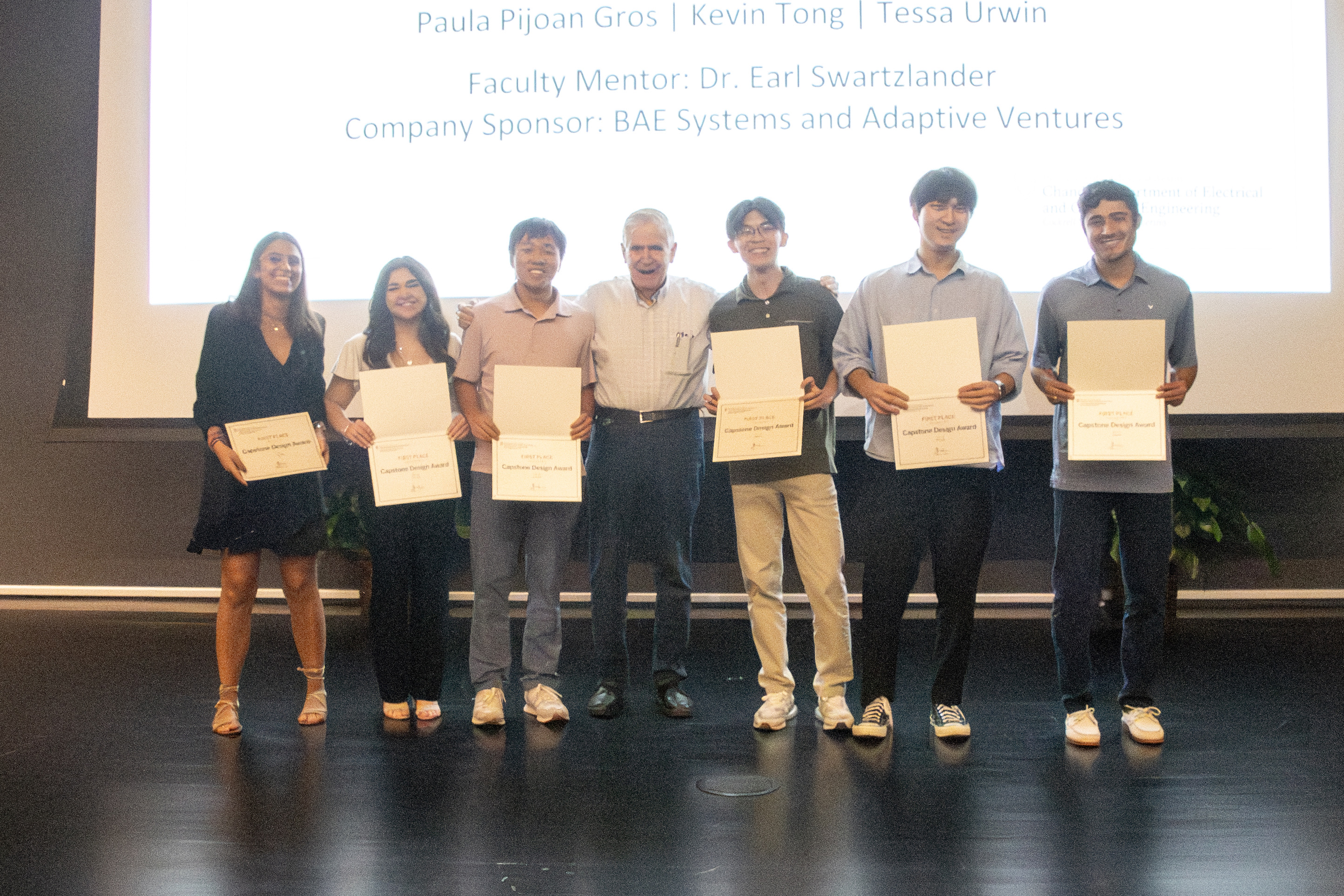
This senior capstone project focused on designing a lightweight wearable temperature sensing device for individuals with paralysis, where sensing temperature extremes can be difficult or impossible.
The wearable continuously monitors skin temperature and transmits real-time data over Bluetooth Low Energy (BLE) to a smartphone application for visualization and safety alerts. The project was sponsored by BAE Systems in collaboration with Adaptive Adventures.
My Role
I owned the wearable hardware design end-to-end.
This included:
- temperature sensor selection and validation
- microcontroller and BLE integration
- power system design and battery selection
- wiring, packaging, and enclosure iteration
- hardware testing and performance evaluation
I did not implement the mobile application, but worked closely with the software team to define the BLE interface and ensure reliable data transmission from the device.
System Architecture (Hardware)
The wearable follows a simple but robust architecture:
- Temperature sensor in direct skin contact
- Arduino Nano 33 BLE for sensing, processing, and wireless communication
- Bluetooth Low Energy (BLE) peripheral → smartphone (central device)
- 3.7V LiPo battery for day-long operation
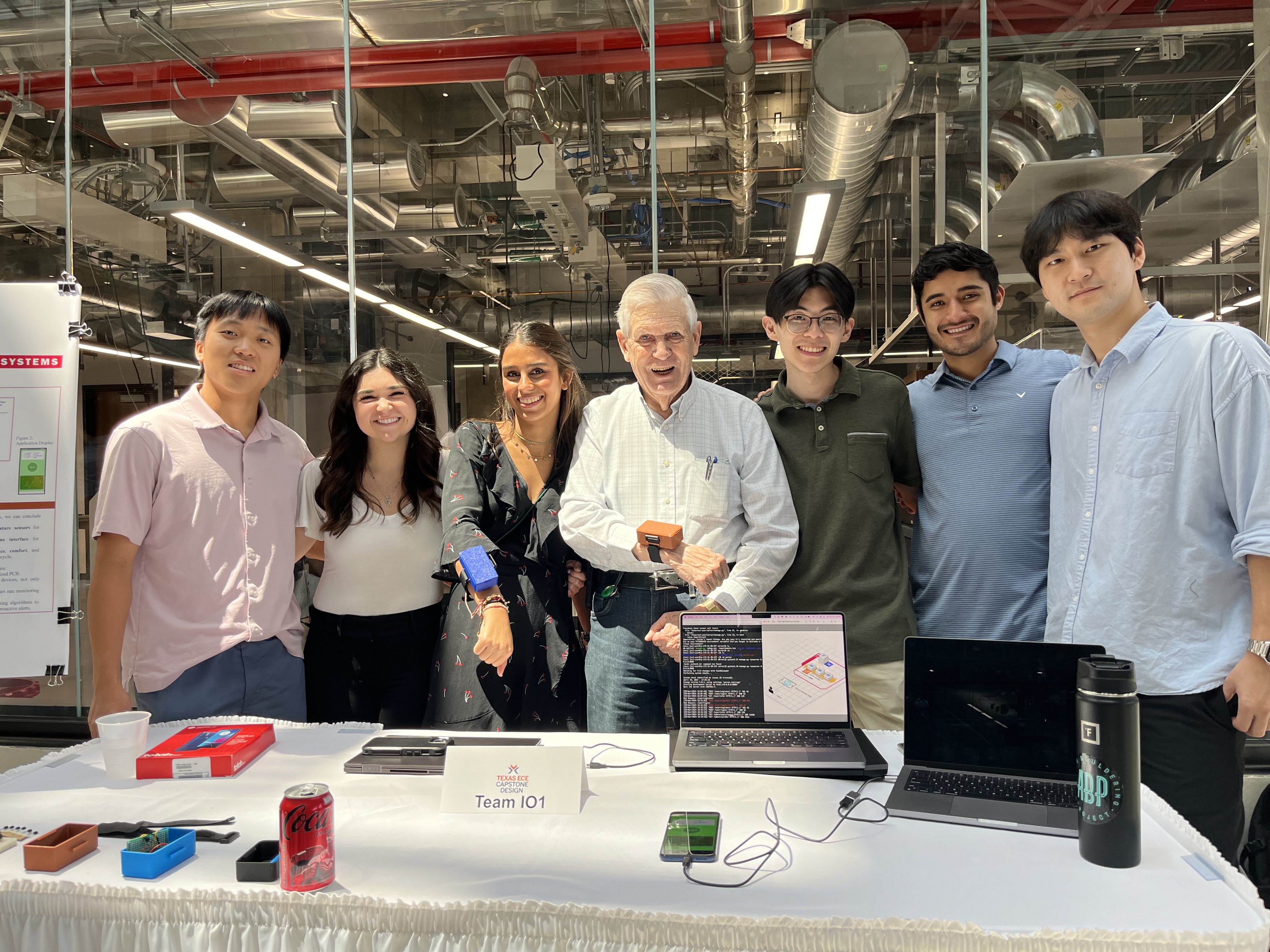
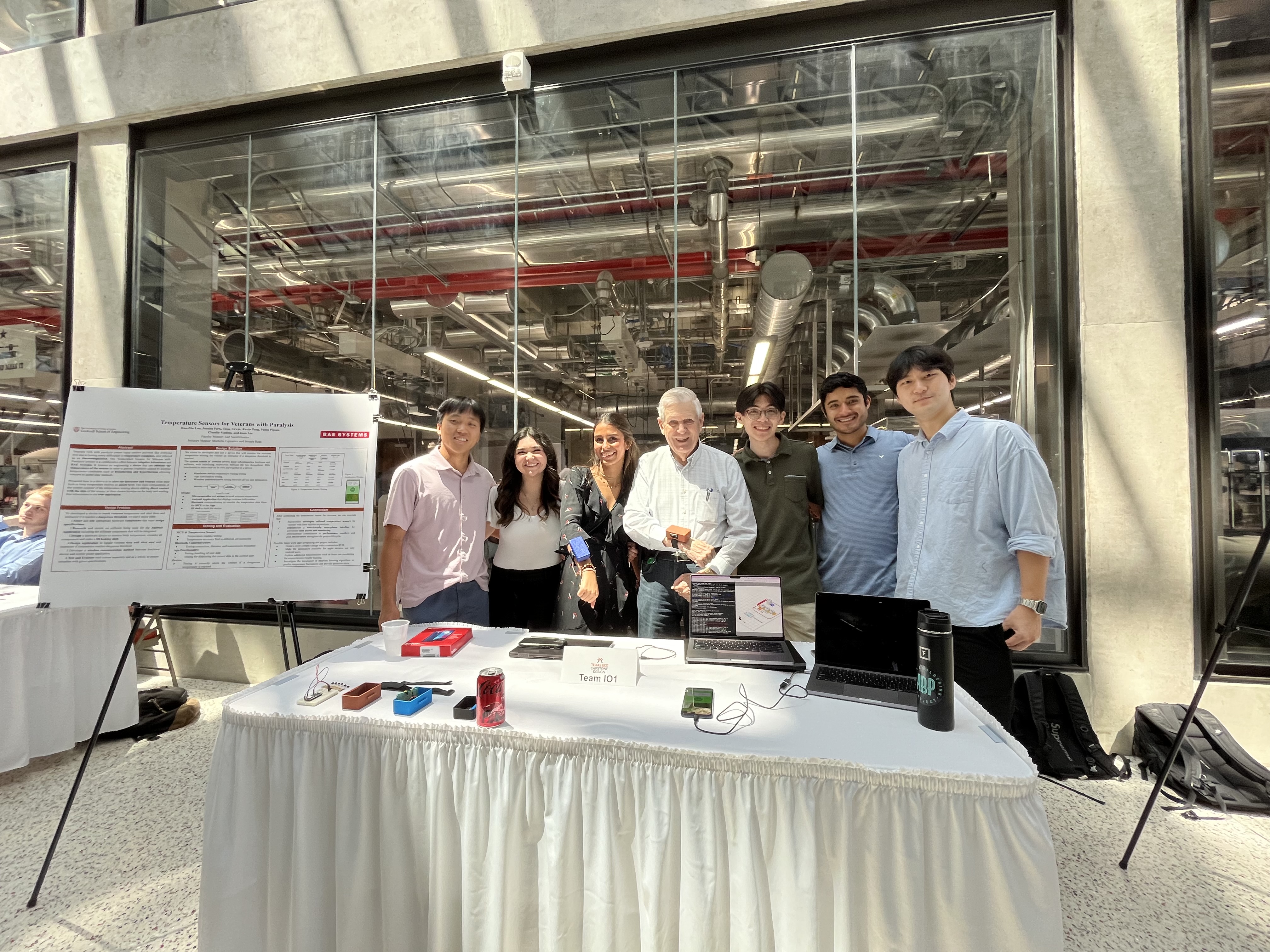
- Custom 3D-printed enclosure designed for comfort and stability
The device operates as a BLE peripheral exposing a temperature characteristic with read and notify capabilities.
Hardware Design Decisions
Temperature Sensor Selection
Multiple sensors were evaluated using structured test methods including:
- ice bath testing (~0 °C)
- boiling water testing (~100 °C)
- reference thermometer comparison
- response time measurement
Based on accuracy, cost, and reliability, the LM35DZ sensor was selected for initial prototyping, with higher-precision variants evaluated later.
Power System
A 3.7V lithium-polymer (LiPo) battery was selected to balance:
- energy density
- safety
- wearability
- day-long operation
Transmission intervals were optimized to reduce power draw without sacrificing responsiveness.
Enclosure & Wearability
The enclosure and strap were iterated multiple times to:
- maintain stable skin contact
- improve comfort during extended wear
- protect electronics from moisture and impact
The final housing was 3D-printed in PETG for durability and improved surface finish.
Validation & Testing
Hardware validation included:
- sensor accuracy testing across temperature extremes
- response time characterization
- BLE reliability and connection testing
- integration testing with the mobile application
All testing was conducted under controlled conditions and documented in the final report.
Why It Matters
This project forced me to think like a real hardware engineer building a wearable system:
sensor physics → embedded firmware → wireless communication → power → packaging → user comfort
The result is a practical, safety-oriented wearable platform designed for real users and real constraints — not just a lab demo.
Documentation
- Final Report (PDF)
- Capstone Presentation (PDF)
Context
- Course: EE 464 – Senior Design
- Institution: University of Texas at Austin
- Sponsor: BAE Systems & Adaptive Adventures
- Year: 2023–2024
Gallery
Click an image to open full size.